A Gentle Guide to Smarter, Safer, and More Connected Care
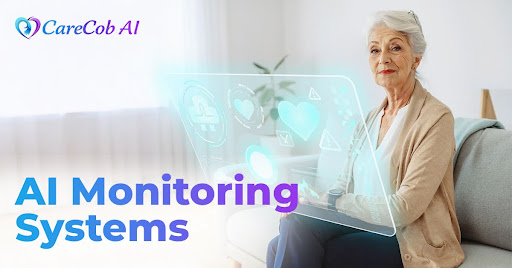
Caring for elderly parents, people with special needs, or someone who lives alone can feel heavy at times. You want them safe. You want them to be happy. You want them healthy. But you cannot be there every minute.
Many families try phone calls, visits, or wearable devices. These help. But they are not always enough. Some feel stressful. Some feel cold or too clinical.
For families exploring Aged Care at Home, AI monitoring systems can provide an extra layer of support that helps older adults remain safe, independent, and connected while continuing to live in familiar surroundings.
In this guide, you will learn how AI systems work and how they support families, individuals, and care teams.
What Are AI Monitoring Systems?
AI systems are smart digital tools that support health and well-being. They do more than track numbers. They talk. They listen. They learn patterns over time.
AI monitoring systems can help with:
- Daily wellness check-ins
- Emotional health tracking
- Medication reminders
- Health updates for families
- Safety alerts and routine support
The goal is simple. Offer steady care in a calm and respectful way.
To understand their value, it helps to look at how AI monitoring systems work in everyday situations.
How Do AI Monitoring Systems Work in Daily Life?
Can Simple Conversations Really Track Wellness?
Yes. AI systems use natural conversations to understand how someone feels.
There are no long forms. No complex apps. Just simple talking.
Through these chats, AI systems can:
- Notice mood changes
- Pick up signs of stress
- Detect changes in speech
- Track wellbeing over time
It feels more like speaking to someone who cares than using a device.
Daily conversations are helpful. But structured check-ins also play an important role.
How Do Daily Check-Ins Help?
AI systems can check in every day. They ask gentle and simple questions.
"Good morning. Did you sleep well?" "Have you taken your medication today?"
These small questions matter. Families stay informed. Loved ones feel supported. No one feels pressured.
Medication is another common concern for families.
Can AI Monitoring Systems Prevent Missed Medication?
Missed medication happens often. It can also be serious.
AI systems give calm reminders. They adjust to the person's routine. The reminders feel personal. Not loud. Not alarming.
This reduces confusion. It lowers stress for everyone.
Beyond physical health, emotional well-being is just as important.
How Do AI Monitoring Systems Support Emotional Health?
Emotional health matters. Loneliness is real. Many people struggle quietly.
AI systems listen carefully. They notice tone and word choice. They track emotional patterns over time.
They can:
- Spot signs of sadness
- Detect isolation
- Share updates with caregivers
- Offer a friendly conversation
Early awareness allows families to respond sooner.
Families also want clear updates without constant calls.
How Do Families Stay Informed?
When you live far away, worry can grow quickly.
AI monitoring systems provide simple reports. These reports may include:
- Mood patterns
- Activity levels
- Medication habits
- Communication trends
This gives peace of mind. Families stay connected without invading privacy.
Traditional monitoring tools focus on data and devices. AI monitoring systems focus on interaction and understanding. Let us look at the differences more closely.
Why Choose AI Monitoring Systems Instead of Traditional Monitoring?
Are AI Monitoring Systems Less Intrusive?
Many people feel uncomfortable with cameras or constant sensors.
AI monitoring systems focus on conversation instead. They feel natural. They feel respectful. Dignity stays intact.
Personalisation is another key difference.
Do AI Monitoring Systems Adapt to Each Person?
Every person has different routines and preferences.
AI systems learn these patterns. They adjust over time. This makes care feel personal and warm.
Caregiving can also be exhausting.
Can AI Monitoring Systems Reduce Caregiver Stress?
Caregivers often feel tired and stretched thin.
AI monitoring systems provide steady support. They handle reminders and daily check-ins. Families feel less pressure. Care teams feel supported.
Small changes in behaviour are often missed.
Can AI Monitoring Systems Detect Problems Early?
A slight mood shift. A change in sleep. A different tone of voice.
This is particularly valuable in Dementia Care, where small changes in behaviour, communication, memory, or daily routines may indicate the need for additional support or medical attention.
Now that we understand how they work, let us look at the broader benefits of monitoring systems.
What Are the Main Benefits of AI Monitoring Systems?
Do They Give Families Peace of Mind?
Yes. AI systems work day and night. Families know someone is checking in.
This does not replace human love. It strengthens support between visits.
Independence also matters deeply.
Do They Help People Stay Independent?
Many people want to live life on their own terms.
Monitoring systems offer quiet guidance. This builds confidence. It supports daily independence.
Health outcomes improve with consistency.
Can Health Outcomes Improve?
Consistent monitoring leads to early detection. Early detection prevents emergencies.
AI systems support better and more timely decisions.
Caregiver well-being is equally important.
Do They Lower Stress for Caregivers?
Less manual tracking. Fewer urgent surprises. Clear insights.
AI monitoring systems reduce emotional and physical strain.
Are AI Monitoring Systems Secure and Private?
Privacy is a major concern. Health data is sensitive.
Quality AI systems use:
- Strong encryption
- Secure data storage
- Controlled access
- Multi-factor authentication
These measures protect personal information. Trust is essential.
Can AI Monitoring Systems Support Special Needs and Diverse Communities?
Care should never be one size fits all.
AI monitoring systems can adapt to:
- Different languages
- Communication styles
- Disabilities
- Cultural routines
This makes AI monitoring systems inclusive and accessible.
Can AI Monitoring Systems Reduce Loneliness?
Loneliness affects many older adults. Even small daily interactions help.
AI monitoring systems provide regular conversation. These interactions:
- Reduce isolation
- Encourage openness
- Provide companionship
- Support mental well-being
Small moments can create real comfort.
How Do AI Monitoring Systems Help With Daily Routines?
Daily structure supports long-term health.
AI systems help users stay on track with:
- Medication schedules
- Water intake reminders
- Light exercise prompts
- Appointment alerts
Simple structure leads to better habits.
How Are AI Monitoring Systems Used in Healthcare Today?
Healthcare providers are also adopting AI monitoring systems.
They support:
- Remote patient monitoring
- Chronic condition management
- Recovery after hospital visits
- Preventive healthcare
AI monitoring systems add helpful insight between appointments.
How Do You Choose the Right AI Monitoring Systems?
Choosing the right solution requires careful thought.
Ask simple questions:
- Is it easy to use?
- Does it feel human?
- Is privacy protected?
- Can families access updates?
- Does it support emotional well-being?
The right AI monitoring systems should feel calm and reassuring.
How Does Care Cob AI Use AI Monitoring Systems?
Care Cob AI offers AI systems designed with empathy.
The focus is clear. Natural conversation. Emotional awareness. Personalised reminders.
Care Cob AI blends smart technology with human warmth. Each interaction feels thoughtful and supportive.
What Does the Future Hold for AI Monitoring Systems?
Technology continues to improve. AI monitoring systems will become even more intuitive.
Future developments may include:
- Predictive health insights
- Deeper emotional understanding
- Smarter care suggestions
- Better language adaptation
The goal stays the same. Keep care, human and steady.
Is It Time to Consider AI Monitoring Systems?
AI monitoring systems offer gentle and consistent support. They strengthen independence. They reduce worry. They provide a daily connection.
Families gain peace of mind. Individuals feel supported. Caregivers feel relief.
If you are exploring better care solutions, AI systems may be a thoughtful next step.